













Hitnspin App Download For France Players

In France, Hitnspin is played on mobile in 2026: installation, settings, limits, cashier and support, step by step, without stress.

Fortune Gems 2 Slot

Table of Contents

  • The Dog House Megaways Slot
  • Lucky Joker 10 Extra Gifts Slot
  • Sword of Ares Slot
  • Floating Dragon Hold & Spin Slot
  • Leprechaun Riches Slot
  • Fruit Cocktail Slot
  • The Dog House Megaways Slot
  • Sword of Ares Slot
  • Fruit Million Slot
  • The Dog House Megaways Slot
  • Fruit Box Slot
  • Big Fisherman Slot
  • Seven Books Unlimited Slot
  • Hitnspin Fortune Slot
  • Sword of Ares Slot
  • Floating Dragon Hold & Spin Slot
  • 9 Mad Hats Slot
  • Floating Dragon Hold & Spin Slot
  • Big Bass Splash Slot

Hitnspin App: Installation And Quick Access

Even before starting a game, the goal is simple: make the experience smooth. On a smartphone, a hastily done installation often costs you later, at the worst moment, when you are already in your session and don't want to reread screens. Take two minutes to install properly, then do a calm first login.
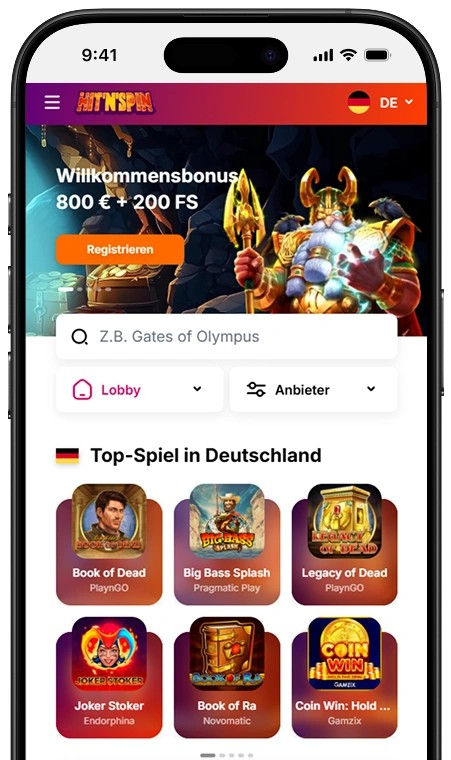
App 1

Imagine the scene: you're on the go, unstable network, and you just want to "see what it looks like". You install, you open, then the app asks for confirmation, and you lose track. The right reflex is to keep the order: installation on a stable connection, opening, checking settings, and only then, testing the game.

A detail that changes everything in 2026: don't look for speed, look for clarity. If you know where the settings, history, and cash register are, you'll play with a light mind afterwards. Otherwise, you'll spend half your time "going back" in the menus.

Check Your Phone Before Installing

Before installing, look at the essentials: free space, system version, and connection stability. It's not glamorous, but it reduces crashes, infinite loading, and repeated actions. On mobile, repeating an action is the fastest way to get confused.

Imagine your phone is almost full and an update starts in the background. You open the app and everything slows down, you tap twice, and then you don't know what was validated. A quick technical check avoids this scenario and keeps you in a clear logic: one action, one result.

If you feel your device is heating up or transitions are becoming choppy, take a break, close demanding apps, then restart. It's not "wasting time", it's protecting your session.

First Connection Without Rushing

The first connection is for familiarizing yourself with your bearings: where are the settings, where to check activity, how to return to the lobby. It's also the time to check that your account information is consistent, without changing ten things at once.

Imagine you're connecting late at night, tired, and you click on all the buttons "to see". The next day, you don't remember what you activated. The solution is simple but effective: take the first connection as a visit, not as a gaming session.

A good habit: do a mini test session (a few minutes), then exit and check the history. This confirms that everything is readable and that you know where to check your actions.

Account And Security: Settings That Matter

A "grown-up" mobile experience is mainly about settings. Strong password, main device, accessible pause options: these are details that prevent unpleasant surprises. The goal isn't to be paranoid, but organized.

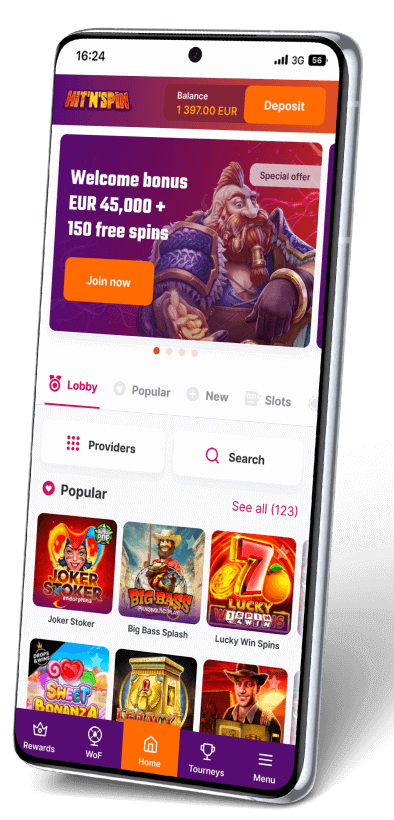
app 2

Imagine you log in on a second device "just once", then forget to log out. A few days later, you wonder if the session is still active, and you start to stress. It's better to decide from the start: one main device for playing, and a logout routine on non-personal devices.

In France, access is intended for users of legal age and must remain within the framework of applicable rules. In practice, this means: don't play when you're in a hurry or upset, and use control tools like a steering wheel, not an emergency siren.

The most underestimated point is information consistency. A stable account facilitates cash transactions, checks, and support. Conversely, modifying your data in the middle of an operation can trigger additional checks and give you the impression that "it's blocked", when it's just a normal procedure.

Finally, keep a simple rule: if you feel impatience rising, stop. Close the app, take a breath, then resume later. On mobile, impatience creates errors faster than any "bad day".

Verification And Password: A Foundation

Use a unique password and avoid obvious solutions. If your phone offers secure backup, take advantage of it to avoid creating a fragile combination you'll forget. Security is also about comfort: fewer failed attempts, less stress.

Imagine trying three different passwords and getting locked out just when you wanted to play for ten minutes. With a solid foundation, you avoid this kind of friction and keep usage simple.

If you change phones, take the time to check active sessions and close any you don't recognize. This small step, done once, saves you doubts during your next sessions.

Hitnspin Mobile: Gaming Comfort In 2026

On smartphones, comfort is a discipline. Brightness, silent mode, notifications, and session rhythm: all influence how you play. The more stable the environment, the clearer your decisions.

app 3

Imagine playing with notifications piling up. You leave the app, come back, and you've lost the thread. In 2026, the best optimization isn't 'play faster,' it's 'play clearer': a short session, full attention, then a voluntary stop.

Comfort also means knowing when not to play. If you're too distracted, do a quick test instead, then close. Maintaining this boundary makes the game lighter, and you can feel it.

Payments On Smartphone: Deposits And Withdrawals

Mobile checkout deserves deliberate slowness. Amount, method, confirmation screen: the idea is to reduce the gray area of 'I think it went through.' You don't need to be suspicious, you need to be methodical.

Imagine a connection that hesitates: the wheel spins, you tap again, and then you don't know if the action was sent once or twice. The right reflex is always the same: a single tap, then check the history before doing anything else.

Another practical point: keep your profile stable around transactions. Avoid changing your information just before a request, and then just after. Stability makes the process clearer and limits unnecessary back-and-forth.

Useful Topic

What You Control

Where To Do It

Why It Helps

Main Method

Same method for the session

Checkout

Reduces confusion

Amount

Check before validation

Confirmation screen

Avoids typos

History

Operation status

Activity

Prevents duplicates

Limits

Budget and duration

Control tools

Protects the session

Stable Profile

Consistent information

Account settings

Simplifies requests

If you only remember one thing: history is your anchor. When in doubt, you check first, then you act. This simple logic prevents you from making decisions based on gut feeling that end up being annoying.

Small Cash Test Before A Real Session

A small test is comfort bought in advance. Make a minimal transaction, then immediately check if it appears in your activity. This confirms that you know where to read the statuses, and you avoid the stress of a large amount launched without a reference point.

Imagine you want to have a longer session on the weekend. If you test the cash register during the week, calmly, you arrive on the weekend with zero questions. You play, instead of managing screens.

The same principle applies to withdrawals: a clear request, sent once, then a reasonable wait before changing anything. On mobile, impatience is enemy number one.

How to React If A Status Seems Blocked

Do not multiply actions. Note the approximate time, the method used, and the exact status displayed, then wait for an update before insisting. This is not passive, it's smart: you keep your history clean.

Imagine changing your method 'to unblock' or modifying your information out of frustration. You make the situation more complex to understand, for you and for support. One action, one check, and if it doesn't move, a clear message to support with facts.

Limits And Pace: The Duo That Makes Cashing Serene

Define your spending ceiling and your session duration before opening the cash register. This avoids impulsive deposits and 'small top-ups' that add up. On mobile, it's often these small additions that derail an evening.

Imagine you deposited 'just a little more' because you were already in the mood. If your limits are set, the decision is made in advance and you save yourself this internal negotiation.

Games, Rhythm, And Session Management

The best way to enjoy a title is to decide what you're doing today: discovery, relaxation, or a structured session. When you don't decide, the screen decides for you, and you end up in automatic mode.

Imagine launching a few rounds thinking you'll stop quickly, then an "interesting" moment arrives and pushes you to stay. At that point, you need a mechanical stop: a timer, a budget limit, or a simple rule like "one more block, then a break."

In 2026, the most realistic approach is the block method. A short block to warm up, a main block, then an exit. The exit is as important as the rest: you check your activity once, close it, and move on. This is what turns gaming into controlled entertainment.

Micro-Test Session: Learn Without Getting Sucked In

To learn a game, a micro-session is enough. Choose a reasonable bet, play for a few minutes, then stop to understand what you felt: clarity, temptation to speed up, desire to change your bet.

Imagine you're tired and keep playing anyway, "just to see." You won't see much, you'll play faster, and you'll be disappointed. A micro-session, however, gives you useful information without draining you.

Personal Rules That Really Work

The simplest rule: don't change your settings mid-block. If you want to change your bet, do it between blocks, after a two-minute break. This reduces impulsive decisions.

Imagine you increase your bet because you're bored. Two minutes later, you're tense because the budget is dropping faster. If you wait until the end of the block, you choose with more clarity.

Second useful rule: if you feel yourself "playing faster," take a break. Playing speed is a good indicator of your state, often more reliable than your best intentions.

Support And Breaks: Stay In Control

Support is for solving a problem, but the best solution often starts beforehand: taking a break and clarifying what you've done. When you're upset, you describe the situation poorly, try ten solutions at once, and end up with a story impossible to reconstruct.

Imagine you have a doubt about an operation or a setting. You start clicking everywhere "to fix it," then you don't know what you changed. The right approach is the opposite: stop, check your activity, then send a simple message with the facts (device, approximate time, action, result).

Pause tools (timeout, self-exclusion) are not punishments. They are switches. If you feel yourself returning out of habit, activate a pause. Returning later, with a clear idea of your budget and time, makes everything more enjoyable.

In France, playing should remain an adult activity governed by applicable rules. The most concrete way to respect this daily is to play when you are calm, keep limits, and not "play to fix a bad day."

Frequently Asked Questions

Start with a stable connection, check available space, then do a first opening like a visit: identify the settings, activity, and cashier before playing. Imagine you're in a hurry and click everywhere; you'll create unnecessary confusion. A clean installation and a mini-test of a few minutes are enough to start calmly.

Close the application, restart it after stabilizing the connection, and then avoid multiple taps during loading. Imagine a spinning wheel and your finger insisting, that's where errors begin. Then check the activity to confirm the status of your actions, and only then, resume a short session.

Confirm slowly: choose a primary method, check the amount, then confirm only once. Imagine a screen that "freezes" for a second, you'll be tempted to re-enter, and then you'll doubt. The simple rule is to look at the history before repeating, this keeps your session clear.

Take a break as soon as you feel impatience, fatigue, or the urge to "catch up" on something. Imagine returning by reflex because your phone is always within reach, that's exactly the moment to activate a timeout. A short break gives you back clarity and helps you decide, instead of reacting.

Set a timer and a spending limit before the first action, then stick to the end of the block even if you want to "do two more rounds". Imagine counting on your mood to stop, it changes quickly. A mechanical stop doesn't negotiate, it protects your plan.

Ensure your account information is consistent, your method is ready, then send a single request before waiting for a status update. Imagine modifying your profile out of frustration just after sending, you make the situation harder to track. Stability and activity verification are better than repeated actions.

Write briefly and factually: device used, approximate time, action performed, and status displayed. Imagine a message like "it's not working", it often triggers a series of questions. A precise description gives support a clear starting point and reduces back-and-forth.